Introduction
In the ever-evolving landscape of healthcare, specifically within the world of respiratory system treatment, the demand for specialized training is paramount. Ventilation training programs are critical in guaranteeing healthcare specialists are outfitted with the essential skills to take care of individuals who require mechanical air flow support. The National Impairment Insurance Policy Scheme (NDIS) in Australia highlights reliable training programs tailored to meet the special needs of individuals dealing with handicaps, including those calling for ventilatory support.
This short article explores Designing a Reliable NDIS Ventilation Training Course: Best Practices, discussing numerous facets such as content creation, sensible applications, governing factors to consider, and approaches for effective understanding outcomes. We will explore why a robust curriculum is crucial for not simply nurses but all doctor involved in airway administration and ventilation.

Understanding NDIS Ventilation Training
What is NDIS Ventilation Training?
NDIS ventilation training refers to customized programs developed for healthcare providers working with individuals that require assistance with breathing due to various clinical problems. This kind of training focuses on both academic expertise and useful abilities crucial for efficient airway management and ventilation.
The Significance of Ventilation Training Courses
Ventilator use has actually raised significantly in the last few years, making it essential for medical care specialists to be educated sufficiently. The appropriate education can lead to much better individual outcomes and an enhanced understanding of ventilator stress assistance mechanisms.
Basic Principles of Mechanical Ventilation
Mechanics of Breathing
Understanding just how mechanical ventilation jobs is foundational. At its core, mechanical air flow helps patients who can not breathe adequately on their own.
Types of Mechanical Ventilators- Invasive vs. Non-invasive Volume-cycled vs. Pressure-cycled
- Endotracheal tubes Tracheostomy devices Humidifiers
Ventilator Setups Explained
What do the settings on a ventilator indicate? Each parameter readjusts just how much air and oxygen a client receives.
- Tidal Quantity (VT): The quantity of air supplied in each breath. Respiratory Rate (RR): The amount of breaths per minute. FiO2: The fraction of inspired oxygen.
Understanding these setups allows healthcare providers to enhance therapy plans effectively.
Curriculum Design for NDIS Air Flow Courses
Key Elements of Curriculum Development
Creating an educational program that fulfills both governing standards and useful requirements involves a number of crucial elements:
Learning Objectives: Define what individuals should know by the end of the course. Content Structure: Organize material in rational segments such as standard ventilator training course content complied with by sophisticated techniques. Assessment Methods: Determine exactly how students will be reviewed-- practicals, composed examinations, etc.Incorporating Grownup Learning Principles
Adults discover in different ways than youngsters; therefore, incorporating principles like self-directed understanding and real-world applicability can enhance engagement.
Best Practices in Teaching Techniques
Hands-On Training Approaches
Why are hands-on strategies crucial? Since they allow participants to practice their abilities in a regulated setting before encountering real-life scenarios.
- Simulation labs Role-playing exercises Case studies
These techniques foster confidence among trainees while preparing them for emergency situations they might deal with in scientific settings.
Utilizing Technology in Education
Technological developments have actually changed education distribution systems dramatically. Using on-line platforms can expand reach while providing versatility to active healthcare professionals.

Tracheostomy and Ventilator Training
Understanding Tracheostomy Care
Tracheostomy treatments entail putting a tube with a laceration in the trachea to help with breathing when standard air passage monitoring stops working or is not sufficient.
- Types of tracheostomy tubes Indications for use
Integrating Tracheostomy right into Ventilator Training
Incorporating tracheostomy care into ventilator training guarantees extensive insurance coverage of air passage administration topics important for nursing competence.
Evaluation Techniques for NDIS Ventilation Courses
Formative Assessment Techniques
Assessment is vital throughout the knowing process. Developmental assessments help determine locations needing enhancement during training as opposed to only at its conclusion.
Quizzes after each module Peer feedback sessions Observational checklists during practicalsSummative Assessment Methods
Summative evaluations gauge general efficiency at the end of the course via:
- Final exams Practical ability assessments Course feedback surveys
Legal and Honest Considerations in Ventilation Training
Regulatory Requirements Compliance
Adhering to local legislations pertaining to medical care training makes sure that programs meet called for safety and security standards and instructional top quality benchmarks.
Understanding extents of practice Keeping abreast with updates from health and wellness authoritiesEthical Responsibilities as Educators
As educators, there exists an honest obligation to impart accurate information while advertising secure practices amongst future health care providers.
Engaging Health care Professionals in Understanding Modules
Creating Interactive Understanding Experiences
Interactive environments not only make learning pleasurable however likewise boost information retention prices amongst participants.
- Group discussions Hands-on demonstrations with comments loopholes
Motivational Methods for Grownup Learners
How do you keep adult learners inspired? Focusing on relevance and functional application keeps rate of interest levels high throughout the course duration.
Conclusion: Transforming Lives Via Education
In amount, reliable NDIS ventilation training programs form a keystone for skilled breathing treatment method within Australia's diverse health care framework. By adhering to best methods outlined here-- from curriculum growth through examination-- teachers can create impactful understanding experiences that gear up nurses and other experts with vital skills required for handling airway-related challenges effectively.
FAQs concerning Creating an Efficient NDIS Ventilation Training Course: Finest Practices
Q1: What sorts of professionals need to take an NDIS ventilation training course? A1: Mostly aimed at nurses, however likewise useful for allied wellness team associated with client respiratory treatment management.
Q2: How long does it generally require to complete an NDIS air flow course? A2: Period varies extensively depending upon program framework; nevertheless, a lot of courses vary from someday approximately several weeks.
Q3: Exist prerequisites prior to enrolling in an NDIS ventilation training course? A3: Yes, generally some history knowledge or experience related to breathing therapy or nursing is required.
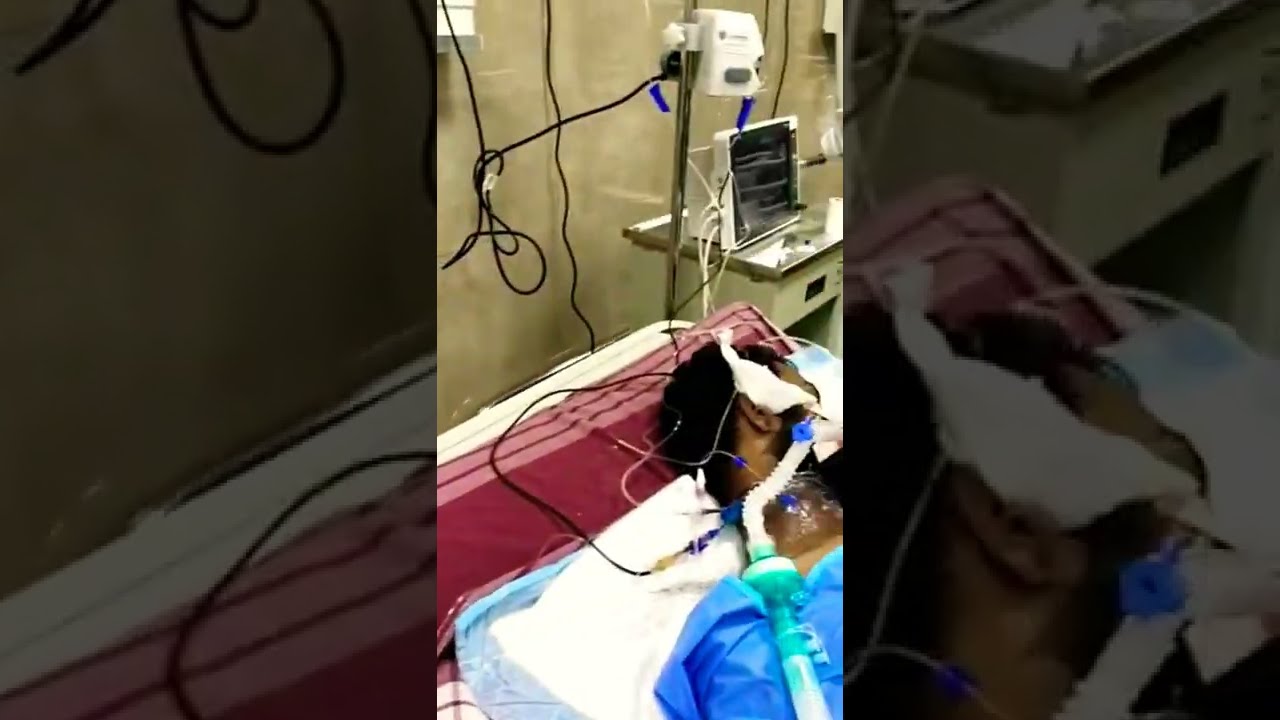
Q4: Can this training enhance individual end results significantly? A4: Absolutely! Appropriately trained personnel can https://charliegkcr937.bearsfanteamshop.com/airway-management-and-air-flow-the-key-to-efficient-patient-end-results supply far better care leading directly to enhanced individual health results.
Q5: Is on-line training readily available for these courses? A5: Yes! Many organizations offer hybrid models integrating on-line concept with functional components done onsite.
Q6: Will certainly I obtain certification upon completion? A6: Many respectable courses supply qualification identified within the sector upon satisfactory completion.
Designed attentively, this extensive strategy towards establishing efficient NDIS ventilation training courses will undoubtedly add favorably in the direction of improving https://mariodusv807.lucialpiazzale.com/recognizing-ventilator-training-a-comprehensive-overview patient care across numerous setups-- paving pathways towards excellence!